
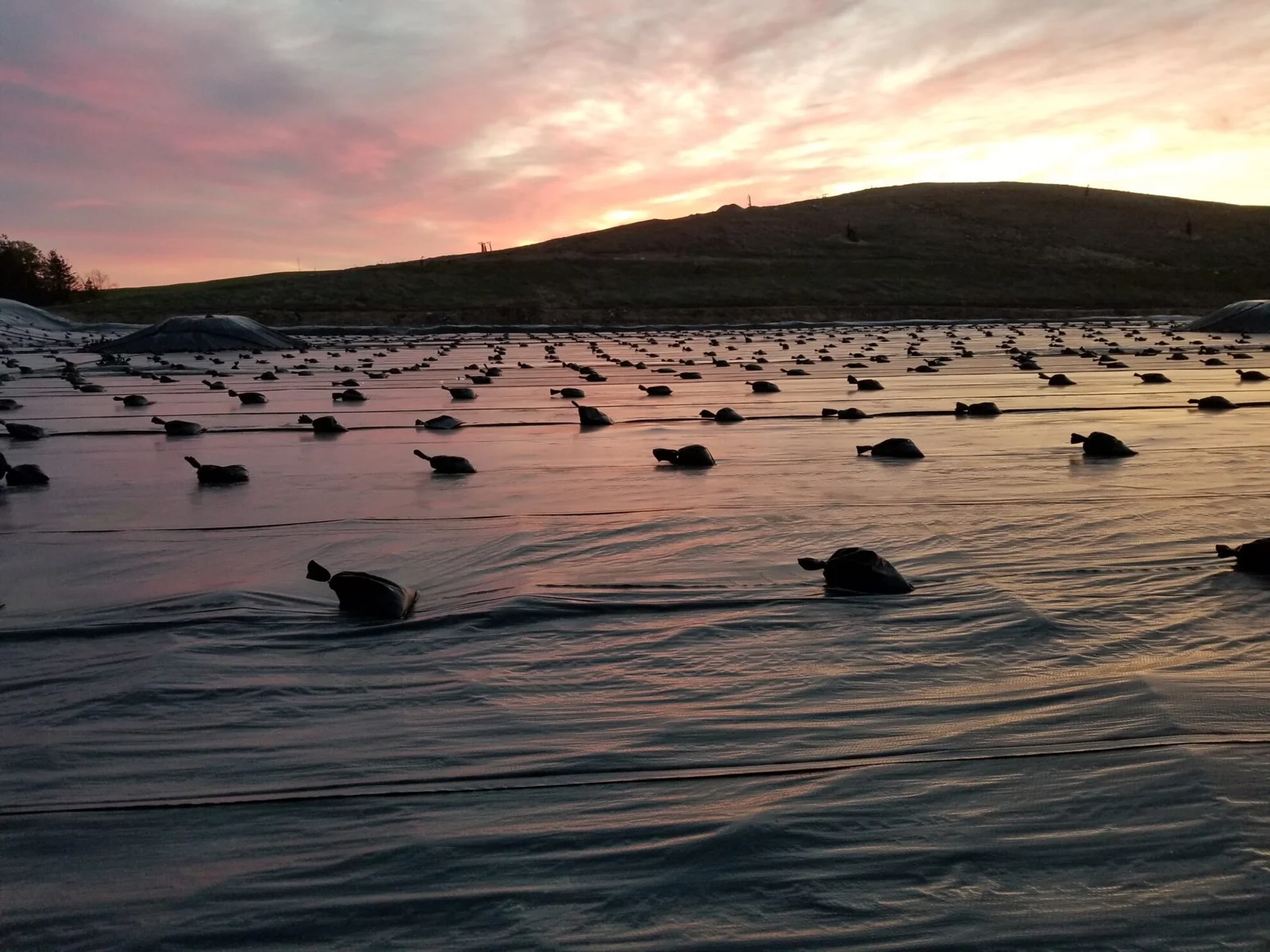
Temporary Landfill Covers
Temporary landfill covers are truly essential to protecting water quality. Though it is an added expense, the result can be a cost savings for our

Temporary landfill covers are truly essential to protecting water quality. Though it is an added expense, the result can be a cost savings for our
Geomembranes are synthetic membranes used as barriers to control fluid or gas migration in a variety of applications. They are crucial in industries such as waste management, mining, and environmental protection, where they help to prevent contamination and protect natural resources.
These materials are designed to withstand harsh environmental conditions and are available in various thicknesses and compositions. Common types of geomembranes include HDPE (High-Density Polyethylene), LLDPE (Linear Low-Density Polyethylene), and PVC (Polyvinyl Chloride), each offering unique benefits tailored to specific project requirements.
Commercial installation products, such as geomembranes and temporary landfill covers, provide significant benefits that contribute to cost savings and environmental protection. They enhance operational efficiency by ensuring that projects comply with regulatory standards while also minimizing the risk of leaks and spills.
Additionally, these products can extend the lifespan of construction projects by protecting underlying structures from moisture and contamination. For example, using high-quality geomembranes can prevent groundwater pollution, safeguarding both public health and the environment.
Temporary landfill covers are essential in managing waste and minimizing environmental impact during waste disposal operations. These covers help to reduce odors, control dust, and prevent rainwater infiltration, which can lead to leachate formation and groundwater contamination.
Furthermore, they are designed to be easily deployable and removable, allowing for flexibility in landfill operations. By utilizing temporary covers, sites can maintain compliance with environmental regulations while optimizing landfill space and extending operational timelines.
Selecting the appropriate installation products for your project is critical to ensuring its success and sustainability. Factors to consider include the specific environmental conditions, regulatory requirements, and the intended use of the installation materials.
Consulting with experts in the field can provide valuable insights into the best materials and installation practices. For instance, the choice between different types of geomembranes may depend on factors such as chemical resistance, UV stability, and physical durability, all of which play a significant role in the long-term performance of the installation.