
Frequently Asked Questions
How can geomembrane liners improve agricultural productivity?
Geomembrane liners can significantly improve agricultural productivity by enhancing water management, preventing contamination, and controlling odors. These liners create efficient systems for water delivery and waste containment, ensuring optimal conditions for crop growth and compliance with environmental regulations.
What are the benefits of using liners for water management in agriculture?
The benefits of using liners for water management in agriculture include improved water retention, reduced evaporation, and enhanced compliance with environmental regulations. These liners also help prevent contamination and optimize resource efficiency, ultimately boosting agricultural productivity.
Where can I find agriculture liners near me?
You can find agriculture liners near you by visiting the International Cover Systems website, where you can explore our products and services. Additionally, you can contact our customer service team for local distributors and availability.
What applications do geomembrane liners have in agricultural settings?
The applications of geomembrane liners in agricultural settings include water delivery systems, waste containment, odor control, and environmental compliance, enhancing productivity and sustainability in farming operations.
How do geomembrane liners help with waste containment in agriculture?
Geomembrane liners are essential for effective waste containment in agriculture as they provide a durable barrier that prevents leakage and contamination of soil and water sources. This ensures compliance with environmental regulations while enhancing overall farm sustainability.
How do geomembrane liners enhance crop yield?
Geomembrane liners enhance crop yield by improving water management, reducing soil erosion, and preventing contamination. These liners facilitate efficient irrigation and protect crops from harmful elements, ultimately leading to healthier plants and increased agricultural productivity.
What types of liners are best for agriculture?
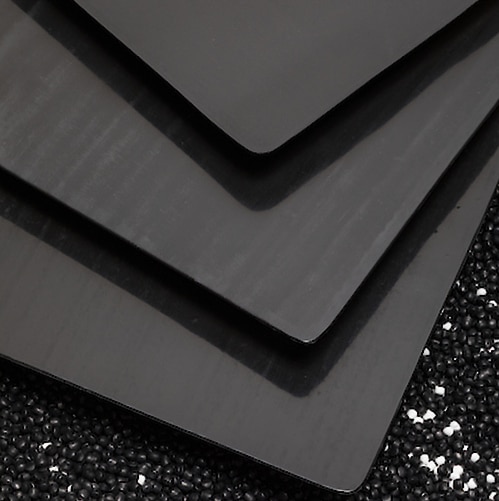
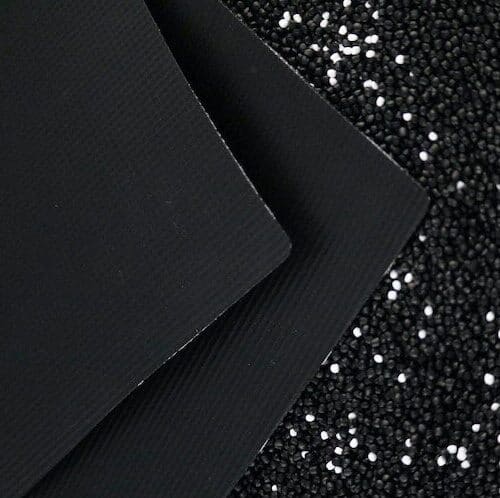
The best types of liners for agriculture include high-density polyethylene (HDPE) and linear low-density polyethylene (LLDPE) geomembranes, as they provide excellent durability, resistance to chemicals, and effective containment for water management and waste applications.
Can liners reduce water evaporation in fields?
Liners can significantly reduce water evaporation in fields. By creating a barrier that minimizes exposure to air and sunlight, these geomembrane liners help retain moisture, leading to more efficient water management and improved agricultural productivity.
How do liners assist in soil preservation?
Liners assist in soil preservation by preventing erosion and contamination, maintaining soil moisture levels, and reducing nutrient leaching. This ensures healthier soil, promotes sustainable agricultural practices, and enhances overall productivity.
What is the lifespan of agricultural geomembrane liners?
The lifespan of agricultural geomembrane liners typically ranges from 20 to 30 years, depending on factors such as material quality, installation conditions, and environmental exposure. Regular maintenance can further enhance their durability and performance.
How are liners installed in agricultural settings?
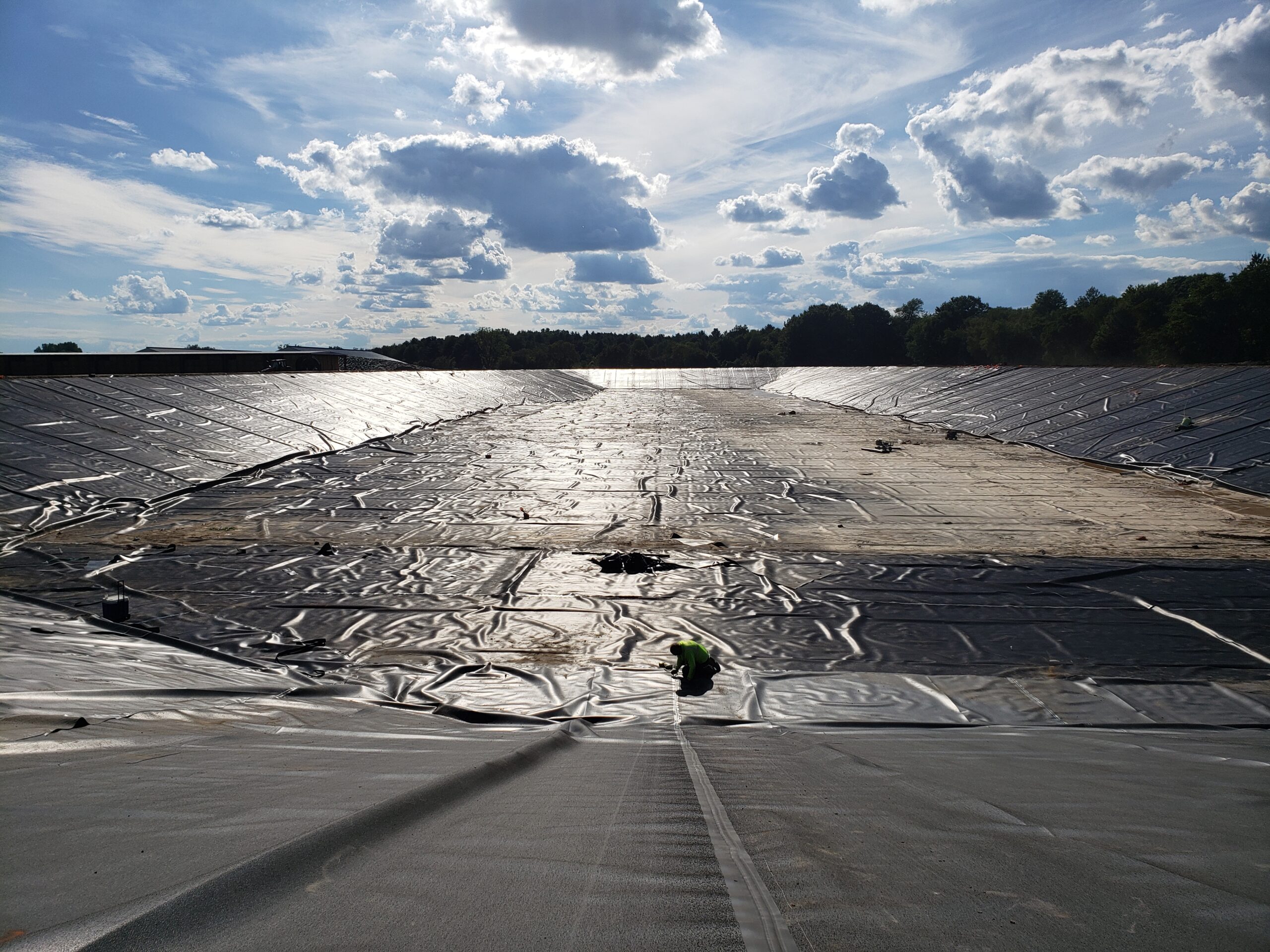
The installation of liners in agricultural settings involves careful site preparation, including grading and cleaning the area, followed by precise placement of the geomembrane. Finally, the edges are secured and sealed to ensure optimal performance and compliance with regulations.
What maintenance is required for agricultural liners?
The maintenance required for agricultural liners includes regular inspections for wear and tear, prompt repairs of any damage, and cleaning to remove debris and contaminants, ensuring optimal performance and longevity.
Do liners help in controlling soil erosion?
Liners play a significant role in controlling soil erosion by providing a protective barrier that reduces water runoff and stabilizes soil. This helps maintain soil integrity and prevents the loss of valuable topsoil in agricultural applications.
How do geomembrane liners affect irrigation efficiency?
Geomembrane liners significantly enhance irrigation efficiency by minimizing water loss through evaporation and seepage. They create a controlled environment that optimizes water delivery, ensuring that crops receive the necessary moisture while conserving resources.
What are the costs associated with agricultural liners?
The costs associated with agricultural liners vary based on factors such as material type, thickness, and application size. Generally, investing in high-quality geomembrane liners enhances durability and compliance, ultimately benefiting agricultural productivity and environmental management.
Can liners be recycled after use in agriculture?
Liners used in agriculture can often be recycled, depending on the material and condition. It's essential to check with local recycling facilities for specific guidelines and options available for repurposing these materials.
How do liners contribute to sustainable farming practices?
Liners contribute to sustainable farming practices by enabling efficient water management, reducing waste contamination, and controlling odors. This promotes environmental compliance and enhances agricultural productivity, ultimately supporting a more sustainable approach to farming.
What regulations apply to using liners in agriculture?
The regulations that apply to using liners in agriculture focus on environmental protection and waste management. Compliance with local, state, and federal guidelines is essential to ensure safe water containment, prevent soil contamination, and adhere to agricultural best practices.
How do geomembrane liners manage agricultural waste?
Geomembrane liners manage agricultural waste by providing impermeable barriers that contain liquids and prevent contamination of soil and water sources. They effectively isolate waste, ensuring compliance with environmental regulations and enhancing overall waste management practices.
What are the environmental benefits of using liners?
The environmental benefits of using liners include improved water conservation, reduced soil contamination, and effective waste management. These liners help prevent leachate and odors, ensuring compliance with environmental regulations while promoting sustainable agricultural practices.
How do liners improve water quality in agriculture?
Liners improve water quality in agriculture by preventing contamination from pollutants and reducing sediment runoff. This ensures cleaner water for irrigation and livestock, enhancing overall agricultural productivity and compliance with environmental regulations.
What factors influence the choice of liners?
The factors influencing the choice of liners include the specific agricultural application, environmental regulations, the type of materials being contained, durability requirements, and cost considerations. Each of these elements plays a crucial role in ensuring optimal performance and compliance.
How do geomembrane liners prevent contamination?
Geomembrane liners prevent contamination by creating a robust barrier that isolates waste and harmful substances from soil and water sources, effectively minimizing the risk of leachate and pollutants infiltrating the environment.
What innovations exist in agricultural liner technology?
Innovations in agricultural liner technology include advanced materials that enhance durability, UV resistance, and flexibility, as well as smart liners integrated with sensors for real-time monitoring of environmental conditions, improving water management and compliance with regulations.
How do liners support organic farming methods?
Liners support organic farming methods by providing effective water management and waste containment solutions, ensuring compliance with environmental regulations while minimizing contamination risks. This helps maintain soil health and promotes sustainable agricultural practices.
What are common challenges with agricultural liners?
Common challenges with agricultural liners include material degradation from UV exposure, punctures from sharp objects, and difficulties in installation and maintenance. These issues can affect the liners' effectiveness in water management and compliance with environmental regulations.
How do geomembrane liners impact crop health?
The impact of geomembrane liners on crop health is significant. These liners help regulate water management, prevent soil contamination, and reduce the risk of disease, ultimately promoting healthier crops and enhancing agricultural productivity.
What are the best practices for liner installation?
The best practices for liner installation include proper site preparation, ensuring a smooth and clean substrate, using appropriate equipment for placement, and adhering to manufacturer guidelines for seams and overlaps to ensure optimal performance and longevity.
How do liners help with pest control in agriculture?
Liners play a crucial role in pest control in agriculture by creating a barrier that prevents pests from accessing crops and stored materials. This helps reduce infestations and protects agricultural productivity while promoting a healthier growing environment.
What are the advantages of custom liners for farms?
The advantages of custom liners for farms include tailored solutions that enhance water management, improve waste containment, and ensure compliance with environmental regulations, ultimately boosting agricultural productivity and efficiency.