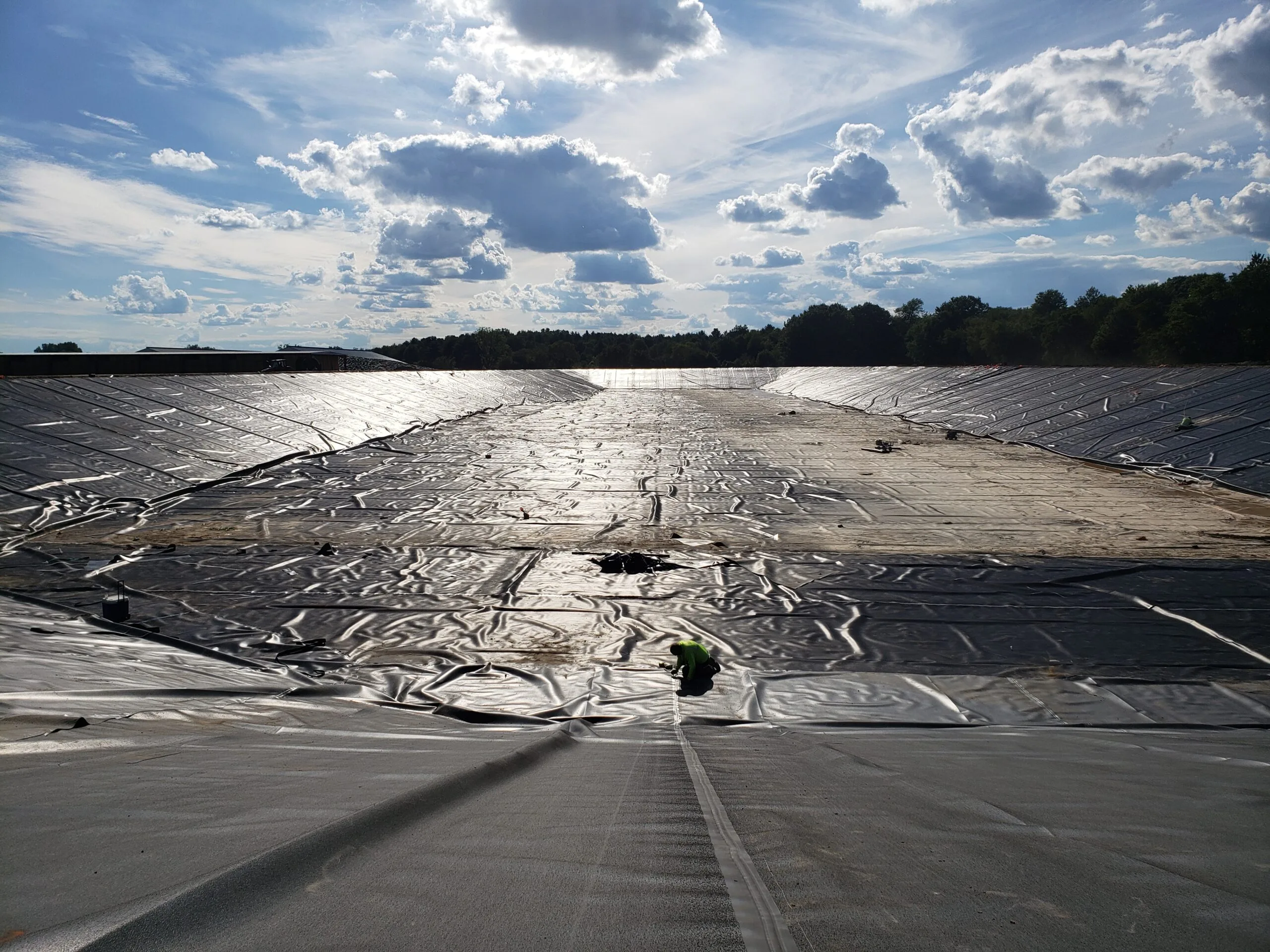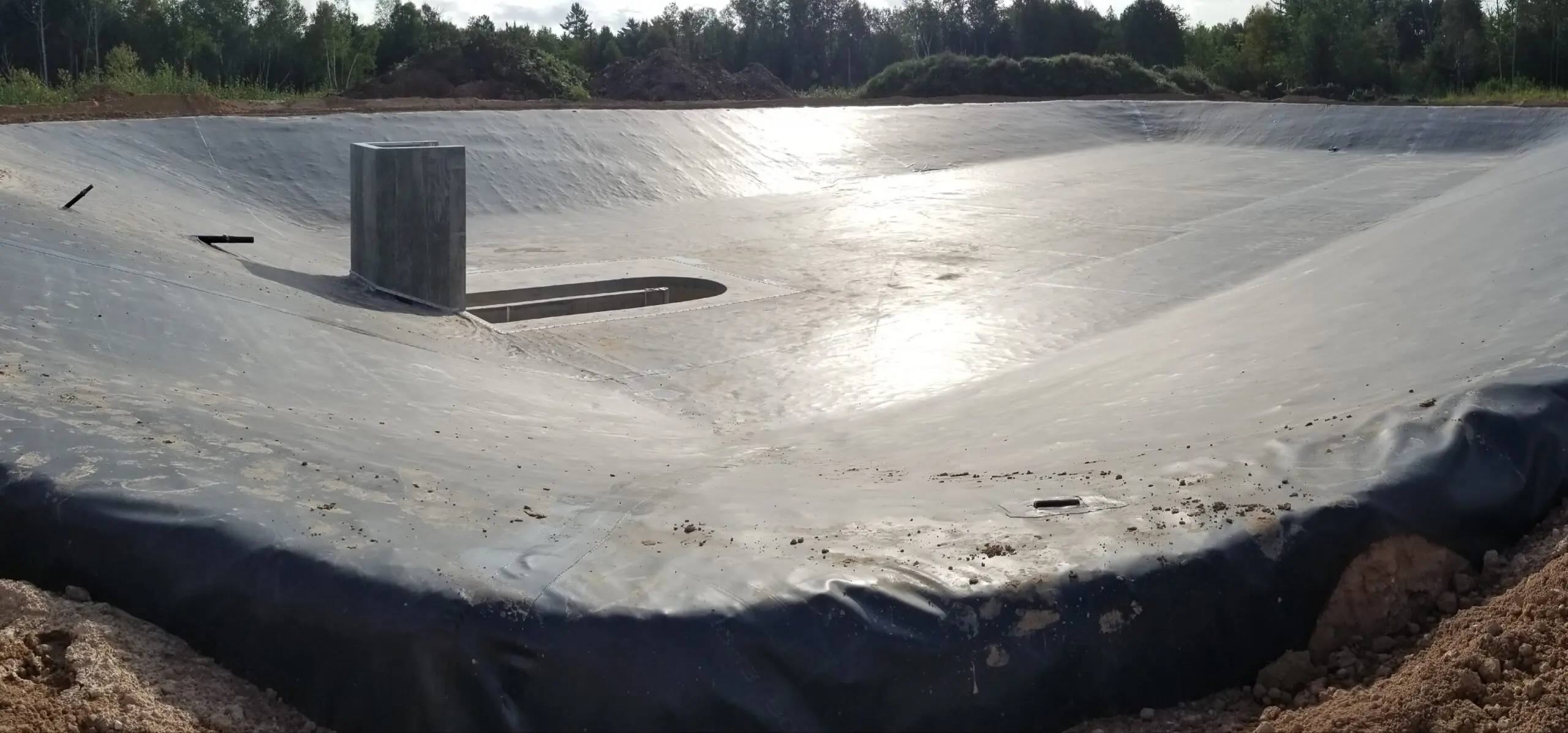

River Ridge Commerce Center Stormwater and Decorative Pond
Stormwater has become a hot-button topic for environmentalists and city managers alike. Environmentalists see stormwater as a mode of transportation for pollutants into area waterways.

Stormwater has become a hot-button topic for environmentalists and city managers alike. Environmentalists see stormwater as a mode of transportation for pollutants into area waterways.

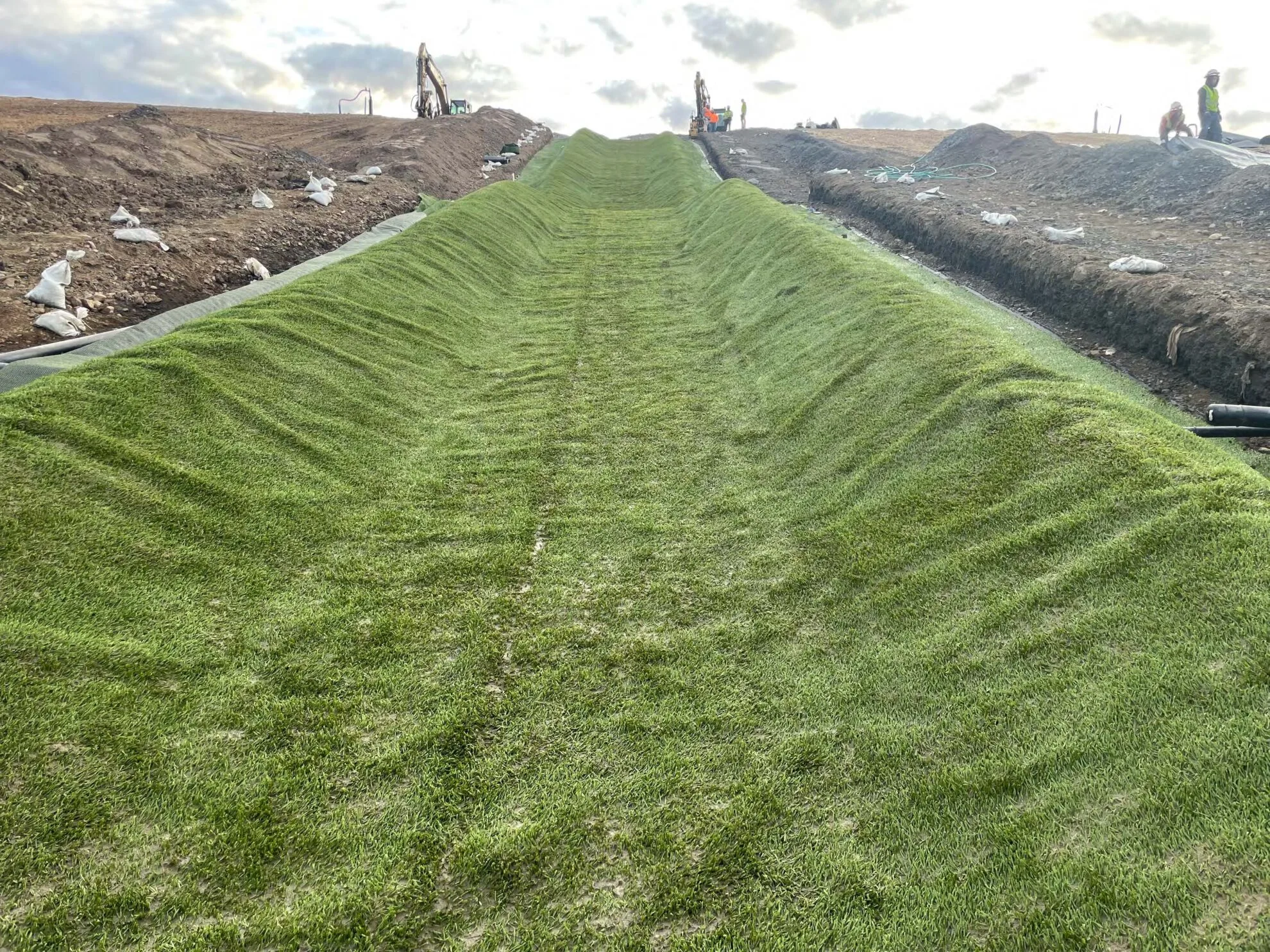
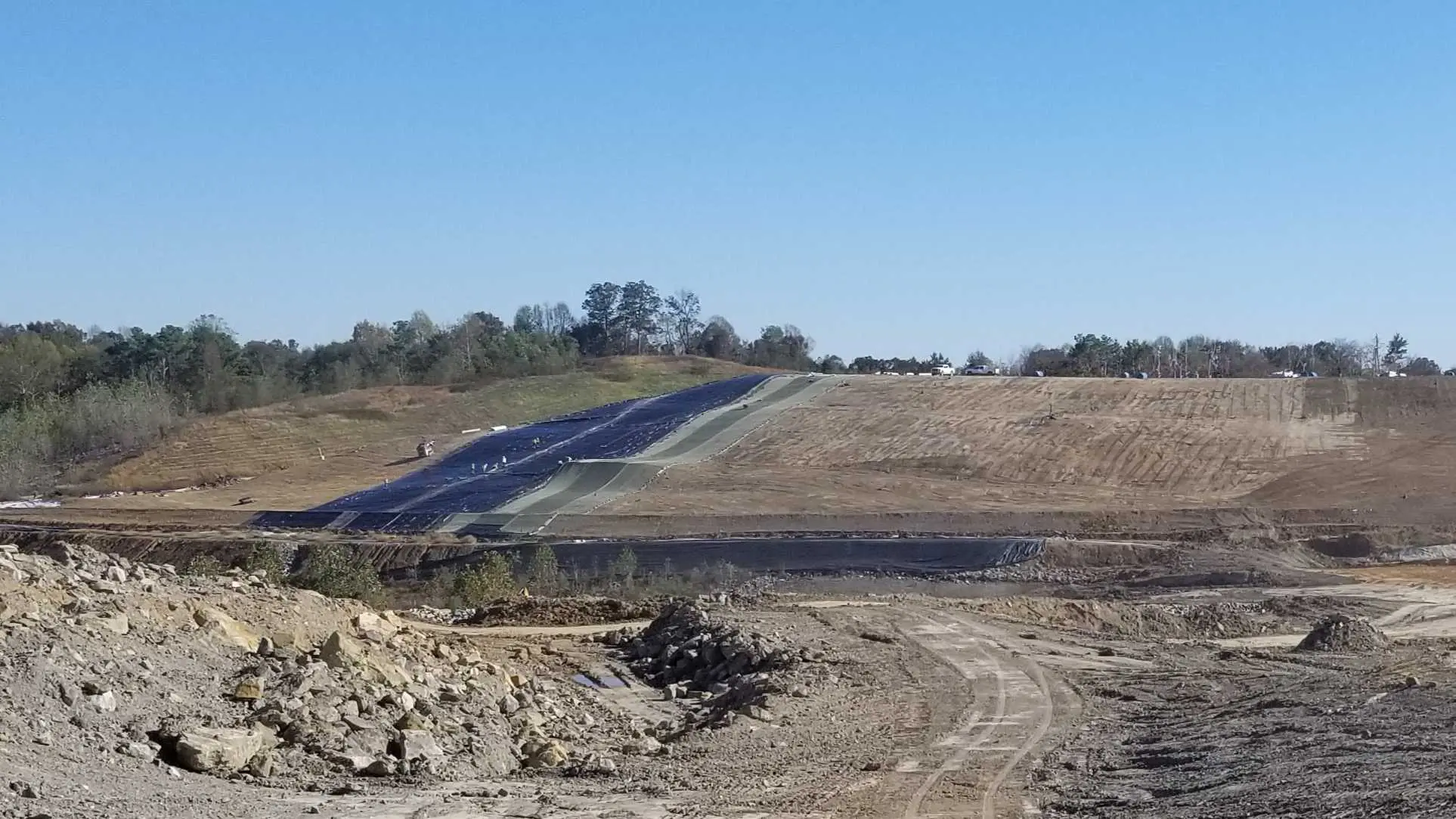
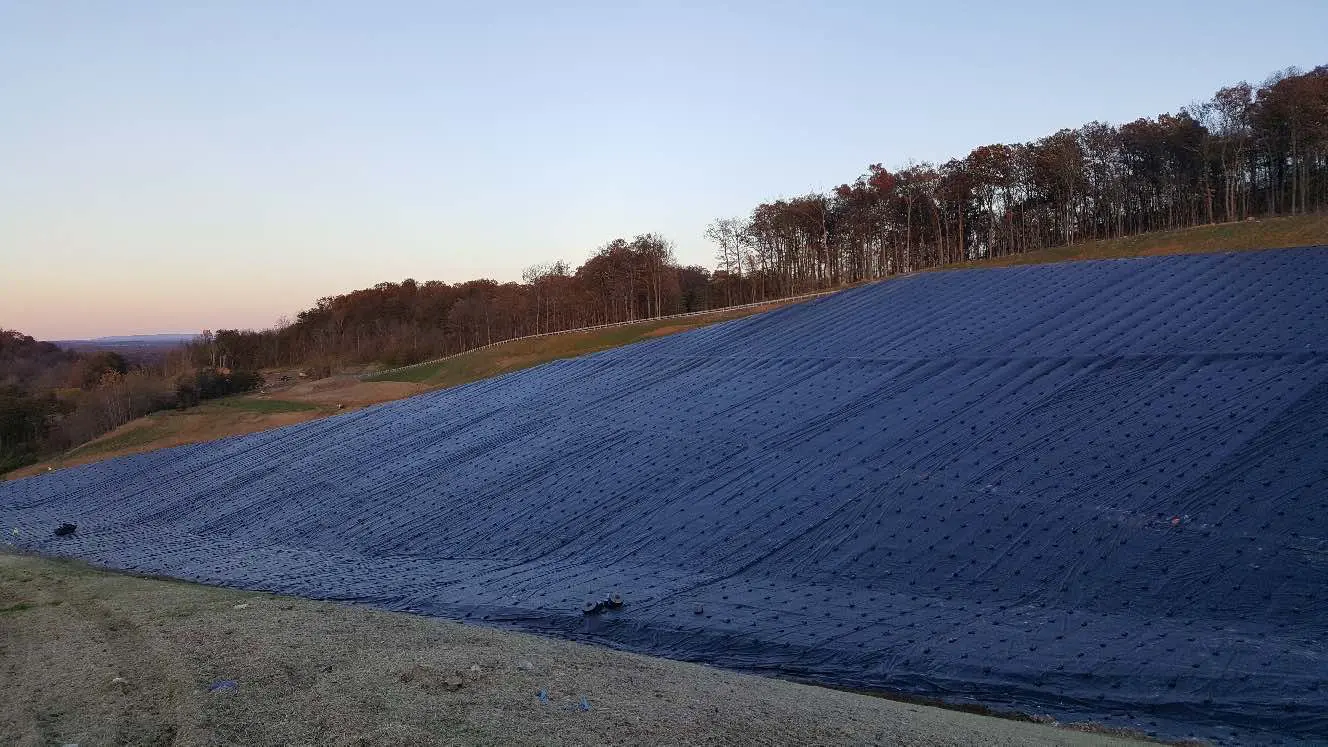
The HydroTurf® Revetment System is an ideal solution for a wide array of applications where stormwater and exposed soils interact. Soil erosion is an

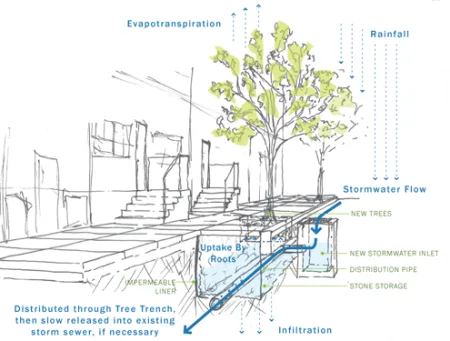
Traditional stormwater systems throughout the country are aging. Meanwhile, municipalities are struggling to find cost-effective means of managing wet weather events. Traditional stormwater systems collect

Agricultural Waste Lagoons and Storage Ponds — What goes in, must come out! We Americans love our meat and dairy, but most put little thought

Fish hatcheries are the lifeblood of our Nation’s commercial and natural fisheries. They provide a steady supply of fry (baby fish) to supplement lakes, rivers,

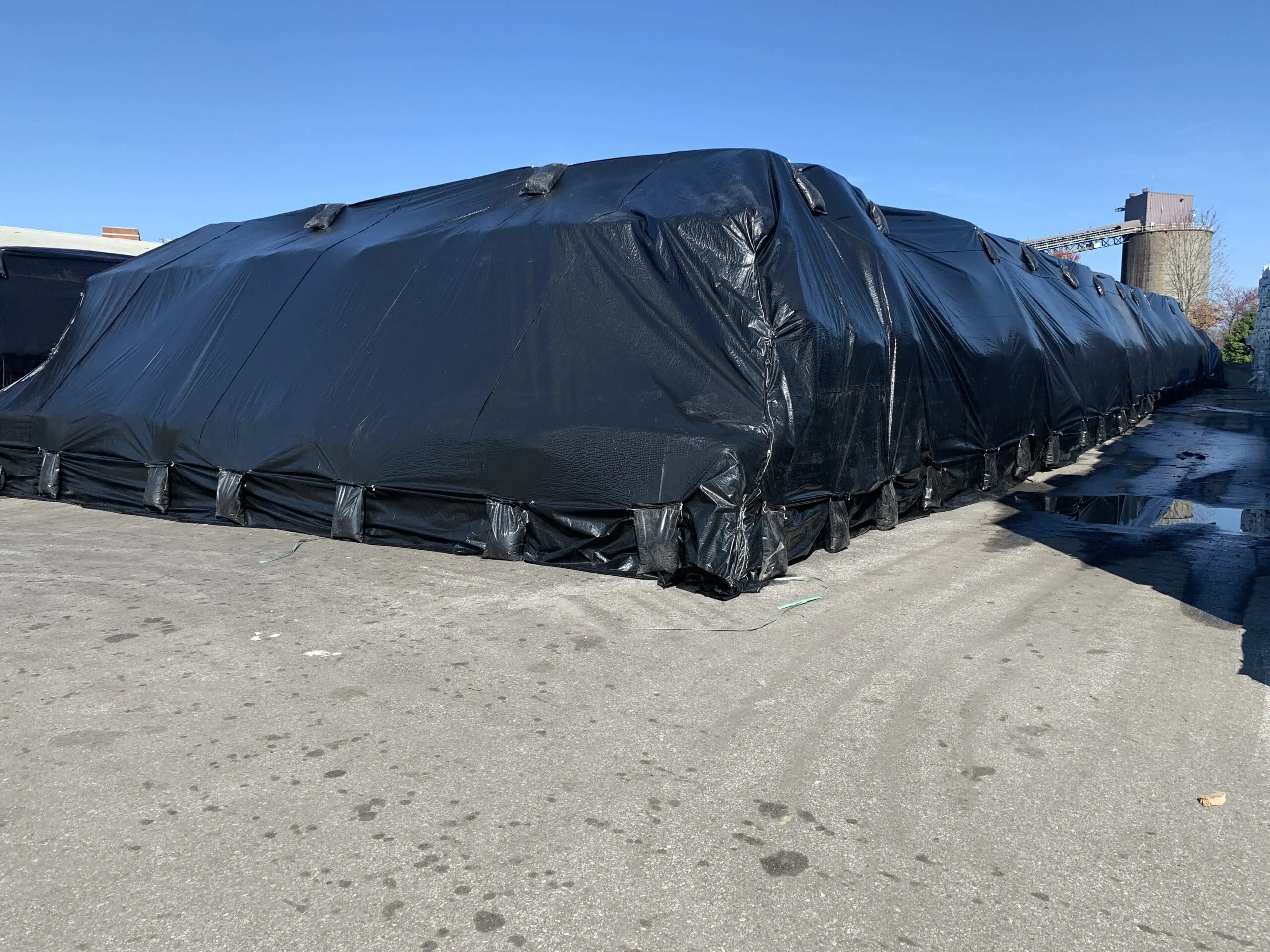
Stockpile covers are fundamentally large tarps that protect merchandise being stored out of doors until it is either processed or moved to its intended destination.

PFAS & Geosynthetics Update: The Environmental Protection Agency (EPA) has released their mandated Interim Guidance on the Destruction and Disposal of Perfluoroalkyl and Polyfluoroalkyl Substances

Presently, the main issue regarding PFAS contamination within the geosynthetics industry is identifying the best types of materials for containment. In many cases, PFAS contaminated

Some geosynthetics are manufactured to withstand long term exposure to the elements, extreme temperatures, and puncture resistance. With this is mind, proper on-site material storage
fish hatchery farm liners, international cover systems, geomembrane news, fish farming liner disposal, containment liners for environmental protection
Geomembrane liners are critical components in various environmental and engineering applications, serving as barriers to contain liquids and gases. They are widely used in landfills, mining operations, and water management systems, ensuring that contaminants do not migrate into surrounding environments.
These liners come in various materials, including HDPE, LLDPE, and PVC, each offering unique properties suited for specific applications. For instance, HDPE liners are known for their high tensile strength and resistance to UV radiation, making them ideal for long-term outdoor use in waste containment and water retention projects.
The field of geosynthetics is continuously evolving, with innovations that enhance performance and sustainability. New materials and manufacturing techniques are being developed to improve the durability and effectiveness of geomembrane liners in various applications.
Recent advancements include the introduction of biodegradable geosynthetics and smart liners that can monitor environmental conditions. These innovations not only help in reducing the ecological footprint of construction projects but also provide real-time data for better management of resources and environmental protection.
Agricultural applications of geomembrane liners are crucial for managing water resources and waste. These liners are used in applications such as irrigation ponds, waste lagoons, and containment systems for agricultural runoff, ensuring efficient water management and pollution prevention.
For example, using geomembrane liners in waste lagoons helps to prevent nutrient leaching into the groundwater, thereby protecting water quality. Additionally, these liners can be used to create temporary storage for excess irrigation water, allowing farmers to optimize their water usage during dry periods.
Environmental regulations play a significant role in the geosynthetics industry, influencing the design and application of geomembrane liners. Compliance with regulations ensures that projects meet safety and environmental standards, which is crucial for protecting ecosystems and public health.
For instance, the EPA's guidelines on PFAS management have prompted manufacturers to develop more effective containment solutions. Understanding these regulations helps businesses to choose appropriate materials and designs that not only comply with the law but also enhance their sustainability efforts.