Fish Hatcheries
Fish hatcheries are the lifeblood of our Nation’s commercial and natural fisheries. They provide a steady supply of fry (baby fish) to supplement lakes, rivers,

Fish hatcheries are the lifeblood of our Nation’s commercial and natural fisheries. They provide a steady supply of fry (baby fish) to supplement lakes, rivers,

Freshwater aquaculture is idea of rearing and raising fish, shellfish, and other aquatic organisms in a controlled environment is appealing to many, given the amount
Aquaculture encompasses various practices aimed at cultivating aquatic organisms, including fish, crustaceans, and aquatic plants. These practices are essential for meeting the growing global demand for seafood and ensuring sustainable food sources.
Common aquaculture methods include pond farming, recirculating aquaculture systems (RAS), and cage farming. Each method has its own benefits and challenges, such as environmental impact, resource management, and production efficiency, which are crucial for successful aquaculture operations.
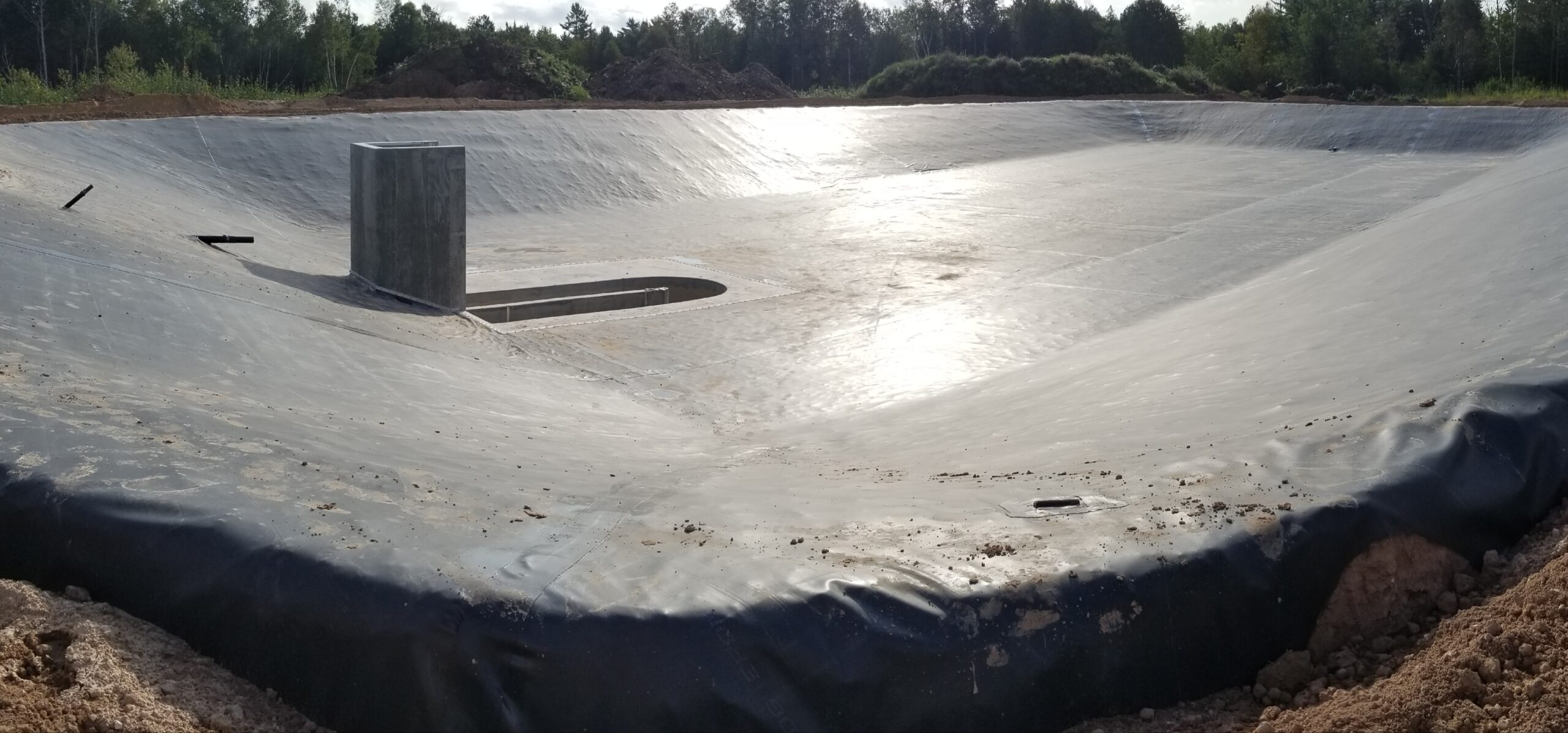
Geomembrane liners serve a critical function in aquaculture by providing containment solutions that prevent water loss and protect aquatic environments. These liners are essential for maintaining water quality and ensuring the health of aquatic organisms.
For instance, geomembranes are used in fish hatcheries to create controlled environments that minimize contamination and optimize growth conditions. Their durability and versatility make them a preferred choice for aquaculture facilities across various climates and settings.
Sustainable aquaculture practices are designed to minimize environmental impact while maximizing productivity. These practices not only contribute to the conservation of natural resources but also support the livelihoods of communities dependent on fishing.
By implementing sustainable methods, such as integrated multi-trophic aquaculture (IMTA) and organic farming, aquaculture operations can enhance biodiversity, reduce waste, and promote healthier ecosystems. These approaches also appeal to environmentally conscious consumers seeking responsibly sourced seafood.
Technological advancements are revolutionizing the aquaculture industry, improving efficiency, and enhancing production capabilities. Innovations such as automated feeding systems, water quality monitoring sensors, and genetic selection techniques are becoming increasingly prevalent.
These technologies not only streamline operations but also provide real-time data to optimize growth conditions and ensure the sustainability of aquaculture practices. As the industry continues to evolve, embracing these innovations will be key to meeting future food demands.