PFAS and Geosynthetics Update, January 2021
PFAS & Geosynthetics Update: The Environmental Protection Agency (EPA) has released their mandated Interim Guidance on the Destruction and Disposal of Perfluoroalkyl and Polyfluoroalkyl Substances

PFAS & Geosynthetics Update: The Environmental Protection Agency (EPA) has released their mandated Interim Guidance on the Destruction and Disposal of Perfluoroalkyl and Polyfluoroalkyl Substances

Presently, the main issue regarding PFAS contamination within the geosynthetics industry is identifying the best types of materials for containment. In many cases, PFAS contaminated
Per- and Polyfluoroalkyl Substances (PFAS) are a group of human-made chemicals that have been widely used in various industries due to their water- and grease-resistant properties. These substances are often referred to as "forever chemicals" because they do not break down easily in the environment, leading to persistent contamination.
The impact of PFAS on human health and the environment has become a significant concern. Studies have linked PFAS exposure to various health issues, including cancer, liver damage, and immune system effects. As such, understanding their properties and potential risks is crucial for environmental management and public health initiatives.
The Environmental Protection Agency (EPA) has issued updated guidelines aimed at addressing PFAS contamination. These guidelines provide a framework for assessing and managing risks associated with these substances, particularly in water and soil remediation efforts.
Recent guidelines emphasize the importance of monitoring PFAS levels in drinking water and implementing effective remediation strategies. For instance, the use of activated carbon and advanced oxidation processes has been endorsed as effective methods for reducing PFAS concentrations in contaminated sites.
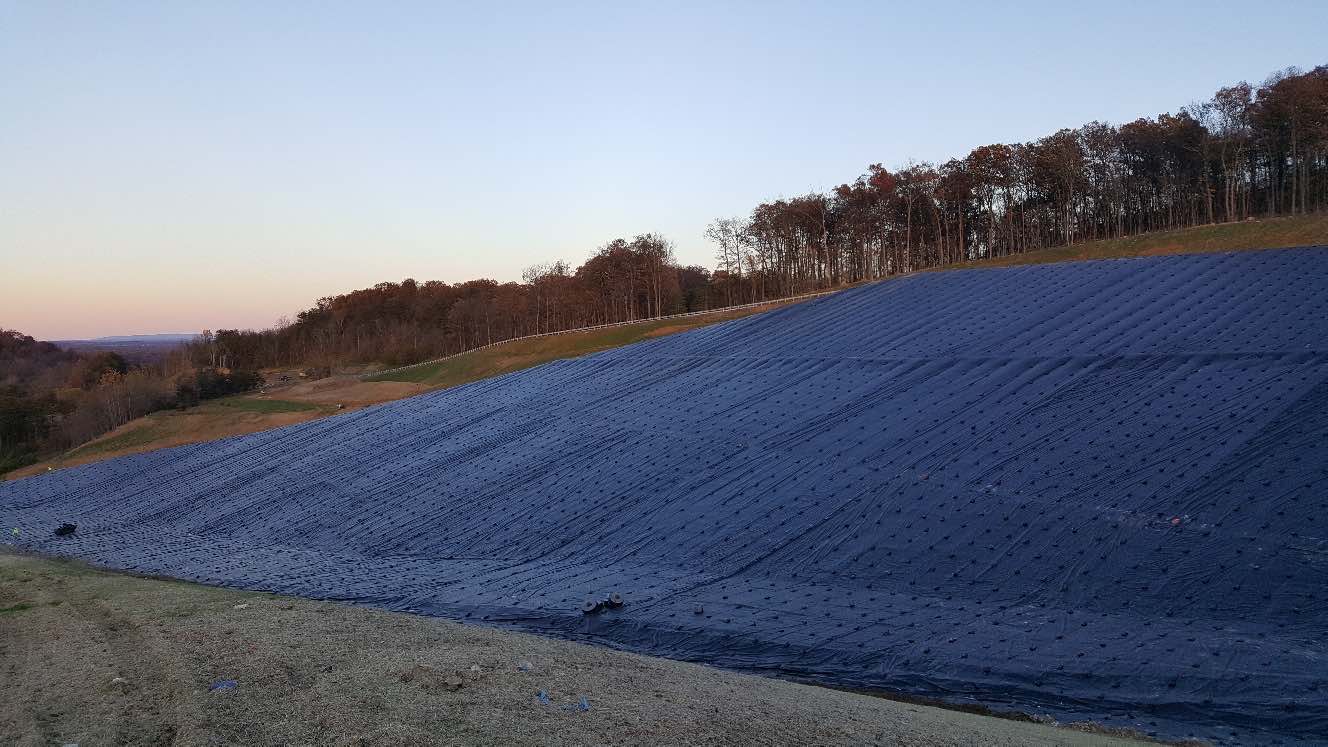
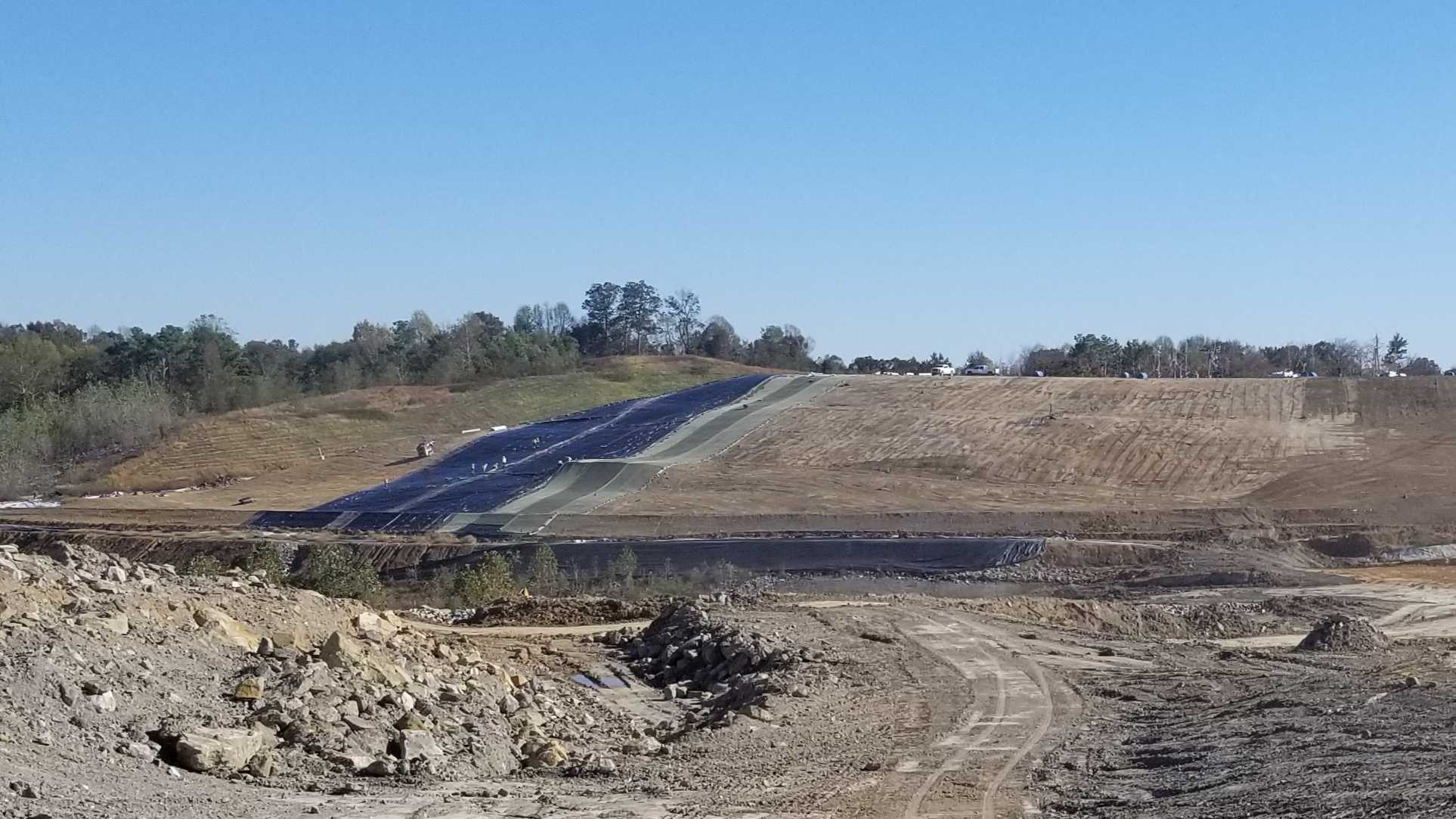
Geosynthetic materials play a critical role in the containment and remediation of PFAS. These engineered products, such as geomembranes and geotextiles, are designed to prevent the migration of contaminants, thereby protecting groundwater and surface waters from PFAS leaching.
Innovative applications of geosynthetics in PFAS containment include the construction of impermeable liners in landfills and the use of geotextile bags for dewatering contaminated sediments. Such solutions not only enhance containment effectiveness but also contribute to sustainable environmental management practices.
Examining real-world case studies can provide valuable insights into effective PFAS remediation strategies. Several projects across the United States have successfully implemented innovative technologies and approaches to address PFAS contamination.
For example, a recent project in Michigan utilized a combination of advanced filtration systems and bioremediation techniques to significantly reduce PFAS levels in a local aquifer. These case studies highlight the importance of tailored strategies and the role of geosynthetics in achieving successful outcomes in PFAS remediation efforts.