


Geomembrane Liners for
PFAS Remediation & Containment
Landfill liners
Temporary landfill caps and closures
Remediation site capping
Perfluoroalkyl and Polyfluoroalkyl Substances (PFAS) have quickly become a top human and environmental health concern worldwide. PFAS have been used in various products since the 1940s. Their mass applications have ranged from coatings on kitchenware and clothing, to aqueous fire-fighting foam at airports. These wide ranging consumer product applications, coupled with their water-soluble and non-biodegradable nature, have made PFAS a major contaminant to drinking water supplies. As the PFAS remediation industry continues to explore options, you can count on ICS to stay up to date on the best management practices, products, and designs to assist in the cleanup and containment of PFAS in our environment.
pfas remediation
DISPOSAL
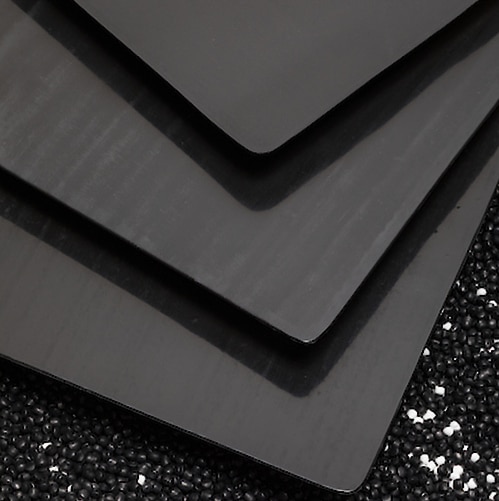
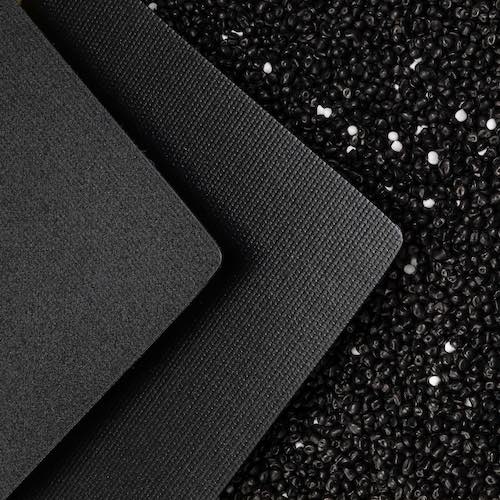
With PFAS contaminated sites being closed around the country, proper disposal of contaminated sediments and carbon filters has become critical to stop further pollution. The first step is to ensure that landfills accepting PFAS have a geosynthetic composite lining system with quality materials, installed by experienced personnel so contaminants cannot escape.The team at ICS is ready to help ensure PFAS stays locked away.
PFAS REMEDIATION
CONTAINMENT
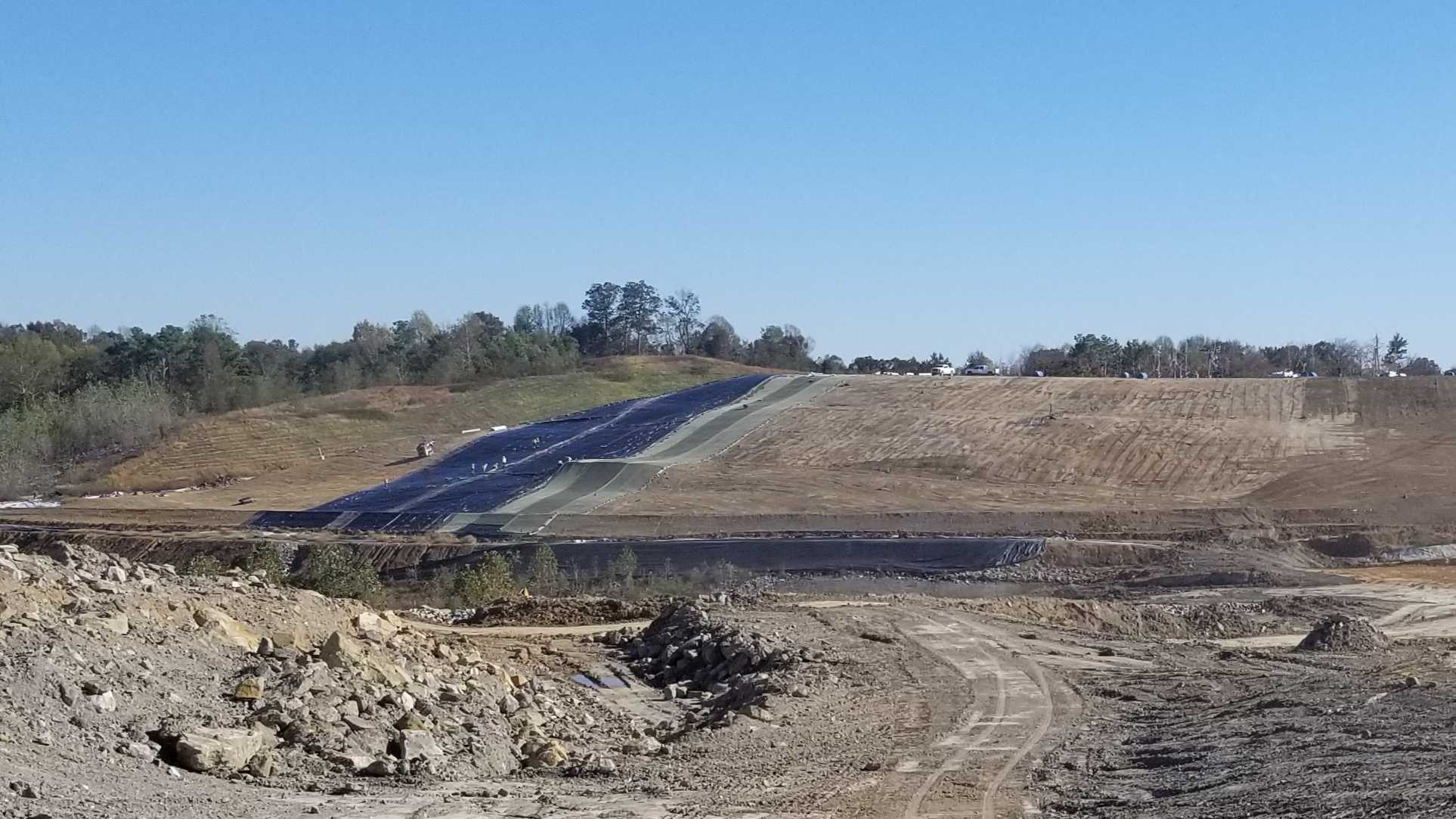
Throughout the remediation process, it is important to keep the PFAS plume from spreading and increasing the targeted area. Capping the vicinity with geomembrane liner to shed rain and prevent it from infiltrating and carrying contaminants further can help accelerate the remediation timeframe and lessen the contaminated area and cost.
Our experienced crew is here to help contain your remediation project.
NEW DEVELOPMENTS
IN PFAS Remediation
As PFAS contamination is relatively new to the human and environmental health scene, so is it to geosynthetics technologies and remediation experts. It is imperative to determine how PFAS will interact with geomembranes and geosynthetic composite barriers that are meant to contain them in landfills. ICS is staying on top of studies currently underway verifying the impacts of PFAS on these systems, and we are committed to keeping you informed.
Geomembrane Liner Materials & Installation Services
ICS pledges to provide the best possible customer service throughout the duration of your PFAS containment and remediation project. We source liner materials from the top producers in the industry and provide installation services managed by the some of the most experienced leaders in the geomembrane liner trade. From sales to delivery to installation, ICS will be here with the expertise and support you deserve to make your geomembrane liner project run smoothly.
ARTICLES RELATED TO PFAS REMEDIATION

PFAS and Geosynthetics Update, January 2021
PFAS & Geosynthetics Update: The Environmental Protection Agency (EPA) has released their mandated PFOA and PFOS Diffusion through LLDPE and LLDPE Coextruded with EVOH at 22℃, 35℃, and 50℃ . This document is open for public comment until February 22, 2021. It details three current techniques for abatement of PFAS in the environment including: thermal (burning), landfilling and underground injection for PFAS in aqueous form. The paper discusses that while uncertainties remain in the efficacy of these three technologies in the migration of PFAS within the environment; the guidance is currently meant to equip decision makers with information regarding the existing options of PFAS destruction and disposal. Specific to the geosynthetic industry is the discussion of PFAS and PFAS-containing materials disposal via landfills.
PFAS and Geosynthetics Update, October 2020
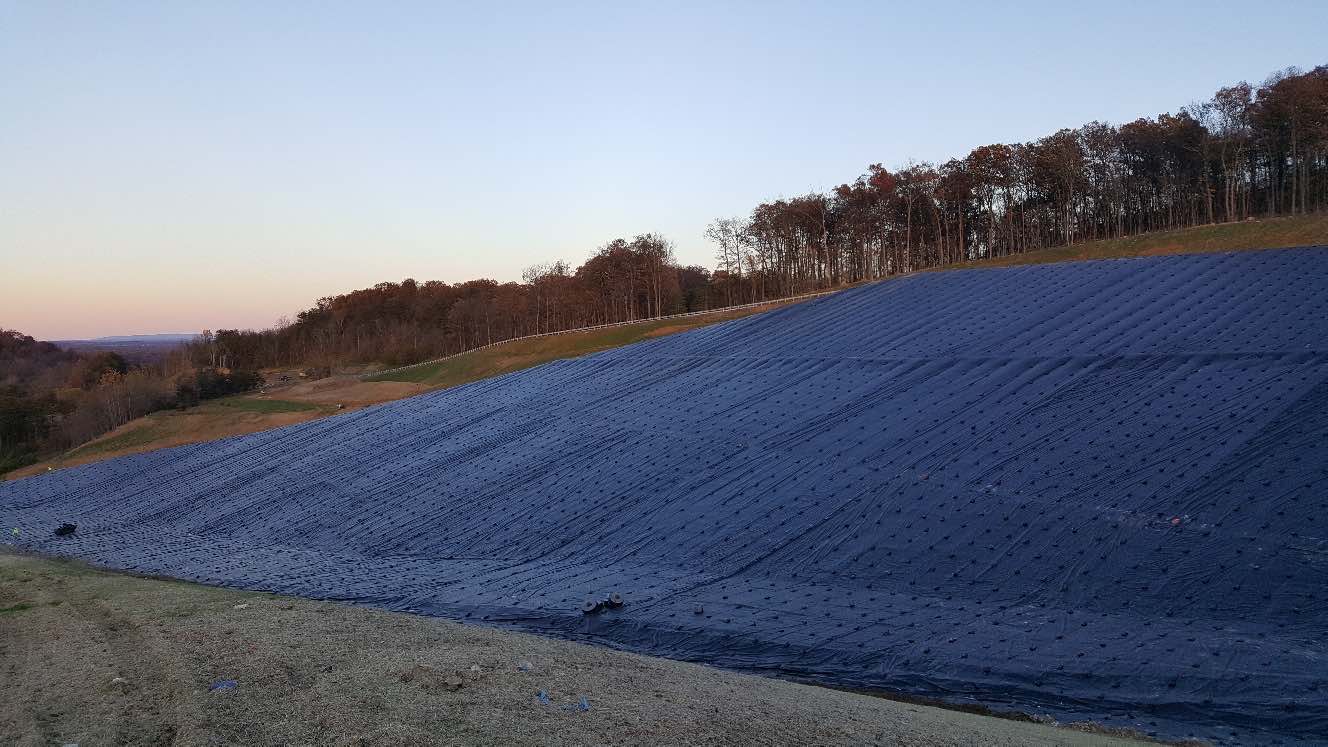
Presently, the main issue regarding PFAS contamination within the geosynthetics industry is identifying the best types of materials for containment. In many cases, PFAS contaminated soils are being contained on-site by using rain-shedding techniques employed elsewhere in the pollution mitigation industry. By installing a geosynthetic barrier over the PFAS contaminated soils, also known as “capping”, precipitation is kept from infiltrating and percolating through the area. This protection keeps the water-soluble PFAS from migrating via percolating precipitation offsite, effectively capturing it in-place. Determining how PFAS will interact with the geomembranes and geosynthetic composite barriers used in these techniques is of utmost importance to ensure PFAS will not penetrate through and continue to contaminate into the future.